Important Notice: Amprod Acquires Simmtech

Industry InSights

2026 Top Guide to Mastering 18650 Battery Packs

The 2026 Top Guide to mastering 18650 battery packs begins with one practical truth: a battery pack is more than a group of cylindrical cells. It is a carefully balanced electrical, mechanical, and thermal system. Battery researcher Jeff Dahn has emphasized this principle: “The battery is a system, not just a cell.” That idea shapes every section of this guide.

Mastering 18650 battery packs requires disciplined cell selection, accurate capacity testing, and consistent internal resistance checks. A cell that looks perfect may perform poorly under load. Small differences can become serious after repeated charging cycles. This guide examines parallel and series configurations, nickel strip selection, spot-welding practices, insulation rings, and reliable battery management systems. It also explains how voltage limits, temperature sensors, and balanced charging protect everyday users.

Safety remains central. A pack should never depend on appearance alone. Measure it. Test it. Inspect it again. Correct polarity matters. Secure insulation matters more than appearance. A damaged wrapper, loose connection, or poorly positioned sensor can create unnecessary heat inside a compact enclosure. That risk is easy to underestimate.

The guide also addresses practical design choices for flashlights, portable instruments, backup systems, and small electric projects. It favors measured results over optimistic specifications. Some recommendations may need refinement as cell chemistry and testing standards evolve. That is worth admitting. Good engineering leaves room for doubt, verification, and improvement. Through clear procedures and realistic examples, this guide helps readers build safer, more dependable 18650 battery packs.
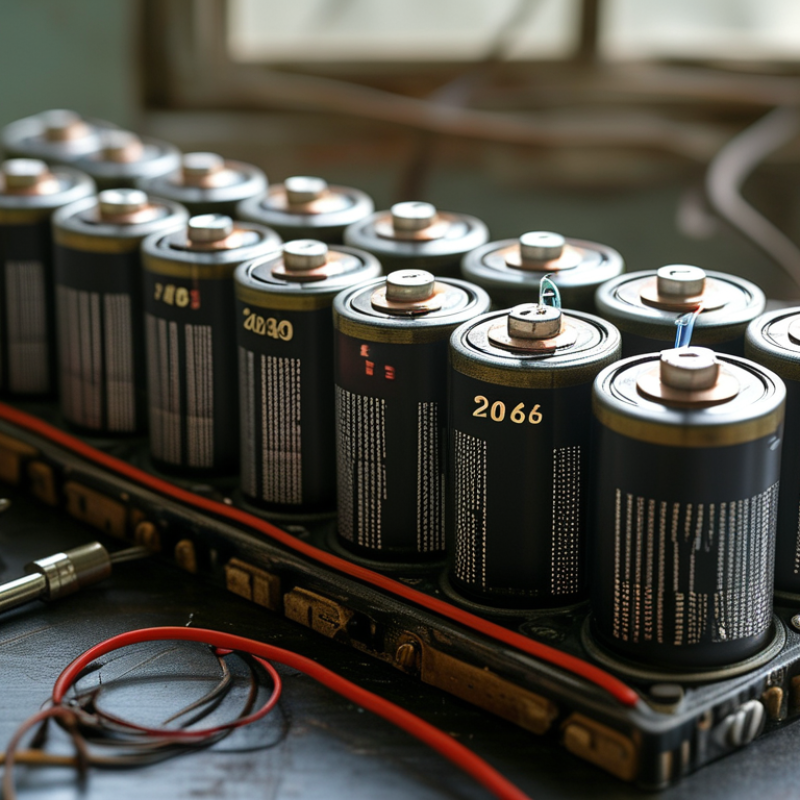
2026 Top Guide to Mastering 18650 Battery Packs

18650 Battery Fundamentals, Chemistry, Sizes, and Safety Ratings

An 18650 cell measures about 18 millimeters wide and 65 millimeters long. Real dimensions vary slightly. Protected cells are often longer because they include a circuit board. Most lithium-ion 18650 cells use a nominal voltage near 3.6 or 3.7 volts, reaching about 4.2 volts when fully charged. Capacity commonly ranges from 2,000 to 3,500 mAh, but higher capacity can reduce maximum current output. Chemistry changes the behavior. NMC and NCA offer strong energy density, while LCO suits smaller loads. LFP is more thermally stable, but its nominal voltage is closer to 3.2 volts.

This matters beyond the workbench. The International Energy Agency reported that global electric-vehicle battery demand exceeded 750 GWh in 2023, increasing pressure for consistent cell testing and traceable specifications (IEA, Global EV Outlook 2024). A useful pack design matches cells by chemistry, capacity, internal resistance, and age. Mixing cells is risky. I have found that a neat voltage reading can hide a weak cell under load.

A useful pack design matches cells by chemistry, capacity, internal resistance, and age.

Safety ratings need careful interpretation. IEC 62133-2 addresses safety requirements for portable rechargeable lithium cells and batteries. UN 38.3 covers transport testing, not complete consumer protection. A battery-management system should monitor overcharge, over-discharge, overcurrent, and temperature. Physical insulation matters too. Even a small nickel strip edge can puncture a wrapper and create a short circuit. Test packs under load, record temperature rise, and question any specification that lists capacity without discharge conditions.

How to Select Compatible 18650 Cells for Your Battery Pack

Selecting compatible 18650 cells starts with chemistry, not capacity. Most cells use lithium-ion chemistry, with a nominal voltage near 3.6 or 3.7 volts. Confirm the required series voltage before matching cells. A 4S pack, for example, reaches about 16.8 volts when fully charged. The cell diameter is usually 18 millimeters, and its length is about 65 millimeters. Small differences still matter inside tight holders.

Capacity alone can mislead. Check continuous discharge current, internal resistance, chemistry, and tested capacity. A 3,000 mAh cell may perform poorly if the pack demands high current. BloombergNEF’s 2024 Battery Price Survey reported an average lithium-ion pack price of 115 dollars per kWh, showing why reliable cell selection affects both safety and cost. The IEA’s Global EV Outlook 2024 also reported a 14% decline in battery pack prices during 2023. Lower prices do not remove testing needs.

Use cells with matching voltage, age, capacity, and resistance. Mixing unknown cells is risky. Measure each cell with a proper charger and electronic load, not only a multimeter. I once trusted identical labels and overlooked different internal resistance. That was a useful mistake. Select a compatible battery management system for the exact series and parallel layout. Confirm its current limits and balancing function. Use a holder or qualified welding method, then inspect every connection. IEC 61960 testing principles can guide capacity verification, although home testing remains imperfect. Leave room for doubt.

2026 Top Guide to Mastering 18650 Battery Packs

How to Select Compatible 18650 Cells for Your Battery Pack

This chart shows the calculated voltage of a standard rechargeable lithium-ion 18650 pack using cells with a typical nominal voltage of 3.6 V and a full-charge voltage of 4.2 V. Select the series count to match the required system voltage, and use parallel cells to increase capacity and current capability. Cells connected in the same pack should have the same chemistry, rated capacity, voltage range, age, and condition. Never mix incompatible cells or combine cells with different charge limits.

Step-by-Step Design of a Safe 18650 Battery Pack

2026 Top Guide to Mastering 18650 Battery Packs

Step-by-Step Design of a Safe 18650 Battery Pack

Begin with the load, not the cell count. An 18650 cell commonly provides about 3.6 volts nominally, but capacity varies widely. Check the manufacturer’s test data and measure real capacity when possible. My early designs trusted labels too much. That was a mistake.

For example, ten cells in series and four parallel groups create a 10S4P pack. With 2.5 Ah cells, the nominal output is about 36 volts, 10 Ah, and 360 Wh. Select cells from the same model, production batch, and condition. Measure voltage before assembly. Reject damaged sleeves, dents, heat marks, or unusual voltage differences.

Use a suitable battery management system for the exact series count. It should monitor cell groups, temperature, overcharge, and over-discharge. Add a fuse close to the positive terminal. Use insulated holders, fish-paper rings, and secure wiring. Spot welding is preferable to direct soldering because cell heat can rise quickly. IEC 62133-2 provides rechargeable battery safety requirements, while UN 38.3 covers transport testing. The International Energy Agency reported global battery demand above 750 GWh in 2023, showing how quickly this technology is scaling. Scale also increases the cost of careless design.

Test slowly. Record voltage, temperature, and balancing behavior during charging and discharge. Do not enclose the pack before checking heat under the real load. My imperfect habit is skipping one repeat test when time is short. That shortcut deserves correction.

Wiring, Spot Welding, BMS Setup, and Pack Assembly

Building an 18650 battery pack demands controlled wiring, clean insulation, and measured testing. The International Energy Agency reported global battery manufacturing capacity above 2.5 TWh in 2023. That scale does not remove small-pack risks. Cell voltage, capacity, and internal resistance should match closely before assembly. I record each measurement, though my first spreadsheet once contained a duplicated cell.

Plan the series and parallel layout before welding. Parallel groups increase capacity, while series groups increase voltage. Use nickel strip suited to the expected current, and avoid soldering directly onto cell terminals. Spot welding limits heat transfer, but poor pressure can create weak joints. After every weld, inspect for burns, lifted strip, or unexpected resistance. Add fish-paper rings, insulating sheets, and secure separators around positive terminals.

A BMS should match the pack’s series count and continuous current requirement. Connect sensing wires in the specified order, then verify each group voltage with a meter. Attach temperature sensors firmly, not loosely against air. The BMS should provide overcharge, over-discharge, overcurrent, and temperature protection. BloombergNEF reported an average lithium-ion pack price of 115 US dollars per kWh in 2024, yet assembly mistakes can cost more than cells. I use a current-limited charger during the first test. The pack should remain supervised and away from combustible materials. IEC 62133-2 provides a useful safety reference, but certification testing requires qualified facilities. I still recheck every assumption.

Testing, Charging, Maintenance, and Safe Long-Term Storage

A reliable 18650 battery pack begins with careful testing, not optimistic assumptions. Check every cell for dents, torn insulation, corrosion, or unusual warmth. Reject damaged cells immediately. Measure open-circuit voltage, then record capacity with a suitable electronic tester. Cells in one pack should have closely matched capacity and internal resistance. Small differences become larger during repeated cycling.

Use a charger designed for the pack’s chemistry, voltage, and cell arrangement. Never charge loose cells together without proper monitoring. A battery management system should provide overcharge, over-discharge, overcurrent, and temperature protection. Keep charging on a nonflammable surface, away from direct sunlight and heat. Do not leave the pack unattended. It sounds cautious, but batteries can fail quietly before becoming hot.

Maintenance requires simple records. Note charge cycles, voltage changes, and any swelling or odor. Stop using the pack when performance drops sharply. For long-term storage, leave the pack partially charged, commonly near 40–60 percent, and keep it in a cool, dry place. Check it every few months. My less-perfect habit is postponing these checks when the pack seems fine. That is exactly when a written schedule matters. Never store a damaged or unstable pack indoors with valuable equipment.

2026 Top Guide to Mastering 18650 Battery Packs - Testing, Charging, Maintenance, and Safe Long-Term Storage

Category Measurement or Task Recommended Practice Typical Reference Value Safety Consideration
Cell Identification Cell format Confirm that each cylindrical cell is an 18 mm × 65 mm rechargeable lithium-ion cell. Approx. 18 mm diameter × 65 mm length Do not assume that every cell with an 18650 label has the same chemistry, capacity, or current rating.
Cell Identification Nominal voltage Use the voltage printed on the cell datasheet when configuring the pack and charger. Usually 3.6–3.7 V per cell Do not mix cells with different chemistries or voltage specifications.
Cell Identification Full-charge voltage Set the charger to the exact full-charge voltage specified for the cell chemistry. Common lithium-ion cells: 4.20 V Charging above the specified voltage can cause overheating, venting, or fire.
Visual Inspection Wrapper and insulation Inspect the outer wrap, positive-terminal ring, and insulating separators before every assembly. No tears, dents, corrosion, leakage, or loose insulation Replace damaged wraps with correctly sized insulating materials; isolate cells with dents or leakage.
Open-Circuit Test Resting voltage Measure with a calibrated multimeter after the cell has rested and is disconnected from all loads. About 3.0–4.2 V for a typical cell in normal use A very low, unstable, or rapidly falling voltage requires quarantine and expert evaluation.
Voltage Matching Parallel-group matching Match cells by chemistry, model, capacity, age, and resting voltage before connecting in parallel. Use a narrow voltage difference; many builders target ≤0.05 V Connecting cells with a large voltage difference can create a dangerous equalization current.
Internal Resistance Resistance screening Measure under the same temperature, state of charge, and instrument conditions. Compare cells with one another; absolute readings vary by tester and cell condition A significantly higher reading than the pack average indicates possible aging or damage.
Capacity Test Discharge capacity Fully charge, rest, discharge at a controlled current, and record ampere-hours until the specified cutoff. Use the manufacturer’s rated capacity and cutoff; 0.2C is a common comparison rate Perform testing in a fire-resistant area with temperature monitoring.
Capacity Test Cell acceptance Group cells with similar measured capacity and resistance rather than relying only on printed labels. Avoid combining cells with materially different test results A weak parallel cell can reduce runtime and increase imbalance or heating.
Pack Configuration Series and parallel count Calculate pack voltage as series count × cell nominal voltage and capacity as parallel count × cell capacity. A 4S pack is about 14.4–14.8 V nominal and 16.8 V full for 4.2 V cells The charger and protection system must match the exact series count.
Protection System Battery-management system Use a BMS designed for the pack’s series count, current, chemistry, and required balancing method. Overcharge, over-discharge, overcurrent, short-circuit, and temperature protection A BMS is a protective control device, not a substitute for correct assembly and inspection.
Charging Charging method Use a constant-current/constant-voltage charger configured for the pack voltage and chemistry. CC phase followed by CV phase; charging ends when current tapers to the charger’s termination threshold Never charge a lithium-ion pack with a lead-acid or unsuitable power supply.
Charging Charge current Stay within the cell and BMS charge-current ratings; use a lower current to reduce heat and stress. A conservative default is 0.5C when the datasheet permits it Never exceed the lowest-rated cell, connector, wire, or BMS current limit.
Charging Temperature Ambient and cell temperature Charge only within the temperature range specified by the cell manufacturer. Common lithium-ion guidance: approximately 0–45 °C Do not charge a frozen, overheated, swollen, or visibly damaged cell.
Charging Supervision Charging location Charge on a nonflammable surface away from combustible materials and with appropriate ventilation. Remain present during charging whenever practical Stop immediately if there is unusual odor, noise, smoke, leakage, rapid heating, or swelling.
Balancing Series-cell voltage balance Check individual series-group voltages at full charge and during discharge. No series group should approach its overcharge or over-discharge limit prematurely Persistent imbalance is a reason to stop using the pack until the cause is identified.
Discharge Load current Keep continuous and peak current within the lowest rating of the cells, BMS, wiring, connectors, and load. Use the manufacturer’s continuous and pulse-current limits Do not use a voltage-only estimate to justify a current level.
Maintenance Connector and wiring inspection Inspect welds, holders, wires, insulation, terminals, and connectors for looseness, corrosion, or heat damage. Inspect before use and after any impact or overheating event Never work on an energized pack with exposed conductive tools.
Maintenance Performance monitoring Track runtime, capacity, temperature, voltage sag, and series-group balance over time. Investigate sudden changes rather than waiting for complete failure Stop using the pack if it becomes unusually hot, swollen, leaky, or unstable.
Long-Term Storage Storage state of charge Store the pack partially charged rather than fully charged or completely empty. Approximately 30–50% state of charge Check the voltage periodically because a deeply discharged lithium-ion cell may become unsafe to recharge.
Long-Term Storage Storage temperature Keep the pack in a cool, dry, stable location away from direct sunlight and heat sources. Preferably around 15–25 °C; follow the cell datasheet Avoid hot vehicles, freezing conditions, condensation, and locations exposed to water.
Long-Term Storage Physical protection Use a rigid, nonconductive container that prevents movement and contact with metal objects. Separate packs and protect terminals from short circuits Do not store loose cells in pockets, drawers with metal items, or sealed areas without appropriate precautions.
End of Life Retirement criteria Retire cells or packs with swelling, leakage, damaged insulation, severe imbalance, abnormal heating, or major capacity loss. Use the manufacturer’s minimum capacity and resistance limits when available Do not place lithium-ion cells in household garbage or recycling bins.
Disposal Recycling preparation Tape or otherwise protect exposed terminals and deliver cells to an approved battery-recycling or hazardous-waste collection point. Follow local transport and recycling regulations Never crush, puncture, incinerate, dismantle, or intentionally short-circuit a lithium-ion cell.