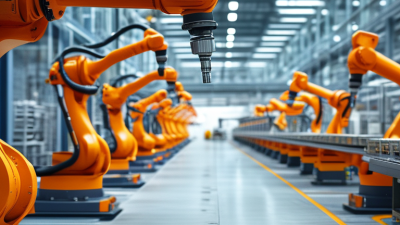
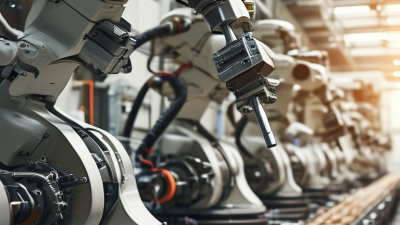
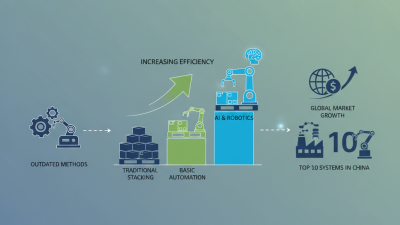
China’s factories are changing quickly. Robotic arms now weld vehicle frames, inspect circuit boards, and move cartons across warehouse floors. These machines are not isolated tools. They connect with sensors, programmable logic controllers, manufacturing execution systems, and cloud-based analytics. Together, they form modern automated production systems.
Joseph Engelberger, widely regarded as the father of industrial robotics, once said, “I can’t define a robot, but I know one when I see one.” His remark still matters. A production system should not be judged by appearance alone. Its value depends on repeatability, safety, uptime, data quality, and measurable business results. A fast robot may still create losses if maintenance is difficult or operators cannot adjust its settings.
This guide examines leading solutions used across China’s automotive, electronics, food, pharmaceutical, and logistics sectors. It considers industrial robots, machine vision, automated guided vehicles, digital twins, and flexible assembly lines. It also compares suppliers, integration support, energy use, software compatibility, and after-sales service. These details matter on a real factory floor. A camera can miss a small surface defect. A conveyor can stop because of one faulty sensor.
There is no universal winner. Some systems deliver excellent speed but limited flexibility. Others offer strong intelligence but require expensive integration. Smaller manufacturers may need simpler equipment, not the most advanced platform. That is an uncomfortable point. Automation can fail when companies purchase impressive technology before defining the process. The best choice begins with a clear production problem, reliable data, trained workers, and realistic expectations.
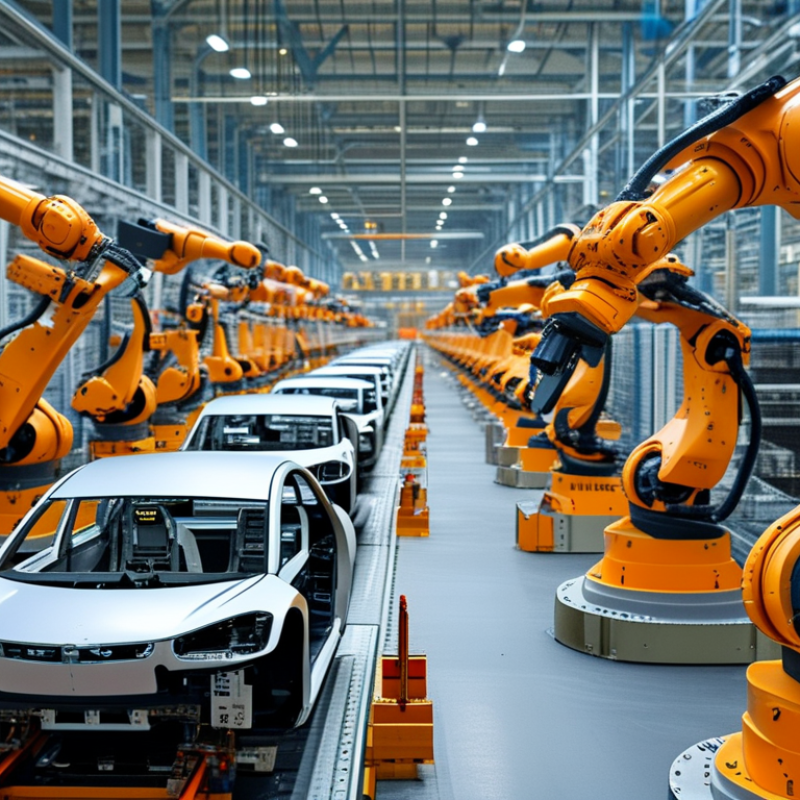
Automated production systems are coordinated arrangements of machines, sensors, software, and people. They convert production instructions into repeatable physical actions. In China, these systems appear in electronics, automotive parts, medical equipment, packaging, and many other factories. A typical line may include robotic arms, conveyor units, vision cameras, programmable controllers, and digital work instructions. These components must communicate accurately, not merely operate beside one another.
The core feature is process consistency. Sensors check position, temperature, pressure, weight, or fastening torque during production. If a value moves outside its set range, the system can pause the station and alert an operator. Real-time monitoring also records machine status, output, downtime, and defect data. Traceability becomes clearer when each unit receives a time stamp or coded record. This helps engineers locate repeated faults instead of relying on memory.
Flexibility matters as much as speed. Strong systems can change tooling, recipes, or production parameters with controlled verification. Human oversight remains essential, especially during maintenance, unusual defects, and line recovery. Safety functions should include guarded areas, emergency stops, access controls, and documented testing. In factory assessments, I have found that impressive automation can still hide weak data discipline. A fast line with poor calibration creates fast mistakes. Energy use, training quality, spare parts, and software support also affect long-term reliability. Some plants invest heavily in equipment but underprepare for small failures, which is where the real lessons often begin.
China’s automated production systems now cover machining, assembly, inspection, storage, and material movement. CNC machining cells remain common in metalworking plants. They combine automated tool changes, robotic loading, and digital production records. Operators still check cutting tools after repeated cycles. Small errors can spread quickly.
Robotic assembly systems handle fastening, welding, dispensing, and packaging. Their value is clear when products repeat with tight tolerances. Conveyor lines controlled by programmable logic controllers coordinate stations, sensors, and safety gates. Machine vision systems inspect labels, dimensions, surface defects, and missing components. A camera can inspect hundreds of parts per minute. However, poor lighting can reduce accuracy.
Automated guided vehicles and autonomous mobile robots move bins between storage areas and workstations. Warehouse software assigns routes and records inventory changes. Manufacturing execution systems connect orders, equipment data, and quality checks. This improves traceability, although integration is rarely effortless. Older machines may lack suitable digital interfaces. Human-machine collaboration systems offer a practical option for mixed production. They support workers during lifting, positioning, and repetitive handling tasks. Automation is not always smoother. Maintenance skills, reliable sensors, and clear emergency procedures still determine daily performance. A factory may own advanced equipment yet lose time through weak process planning. That gap deserves closer review.
China’s industrial robot density rose sharply between 2019 and 2023, reflecting the expanding use of robotic assembly, machine tending, welding, material handling, packaging, and automated inspection systems.
Industrial robot density is measured in operational industrial robots per 10,000 manufacturing employees. The figures shown are reported annual values for China.
What Are the Best Automated Production Systems in China?
China’s leading industries use automation in different ways. Electronics factories rely on robotic arms, machine vision, and precise soldering equipment. These systems inspect tiny components under bright, controlled lighting. They also record defects before products reach final assembly. In vehicle and battery plants, automated welding, dispensing, and guided transport reduce heavy manual handling. Sensors monitor temperature, pressure, and alignment during production.
Food processing facilities focus on hygienic conveyors, robotic packing, and weight inspection. Pharmaceutical manufacturers need stricter traceability, cleanable surfaces, and documented process control. Textile factories increasingly apply automatic cutting, fabric inspection, and warehouse movement systems. In each case, the best solution matches the product, not the newest machine. That distinction matters.
A reliable production system connects equipment with manufacturing software, maintenance records, and trained operators. Engineers should verify cycle time, reject rates, energy use, and recovery after a fault. Safety interlocks and emergency controls require regular testing. The result is tangible. However, automation is not effortless. Integration errors can stop an entire line, while poor sensor calibration creates false rejects. Some factories also underestimate worker retraining. Data alone is insufficient. Practical trials, transparent reporting, and gradual expansion usually produce stronger results than rapid installation.
| Industry | Leading Automated Production System | Typical Automation Applications | Core Equipment and Technologies | Typical Production Profile | Automation Maturity in China | Common Performance Indicators |
|---|---|---|---|---|---|---|
| Automotive Manufacturing | Integrated body, powertrain and final-assembly lines | Body welding, painting, fastening, inspection, battery-pack assembly and material handling | Industrial robots, servo presses, machine vision, programmable logic controllers, automated guided vehicles and manufacturing execution systems | High-volume production with repeated processes and strict traceability requirements | Very High | High robot density; cycle-time control, first-pass yield, line availability and defect traceability |
| Consumer Electronics | Flexible high-speed assembly and inspection cells | Component placement, screwdriving, dispensing, bonding, functional testing, optical inspection and packaging | SCARA robots, delta robots, precision stages, machine vision, collaborative robots and real-time production data systems | Short product life cycles, frequent model changes and very high precision requirements | Very High | High throughput; placement accuracy, changeover time, defect rate and equipment utilization |
| Semiconductor Manufacturing | Cleanroom wafer-processing and automated material-handling systems | Wafer transport, lithography support, deposition, etching, metrology, defect inspection and lot tracking | Overhead transport systems, wafer robots, cleanroom automation, process-control software and advanced metrology | Ultra-clean, capital-intensive production with extremely tight process tolerances | Very High | Process stability; yield, particle control, tool utilization, wafer cycle time and lot traceability |
| New Energy Batteries | End-to-end battery-cell and battery-pack production lines | Electrode coating, calendaring, slitting, cell assembly, electrolyte filling, formation, grading, welding and pack testing | Precision coating systems, robotic handling, laser welding, machine vision, dry-room monitoring and battery management test systems | Continuous or high-volume batch production with strict safety and consistency requirements | Very High | Quality consistency; coating uniformity, formation yield, energy consumption, traceability and safety-event rate |
| Food and Beverage | Automated processing, filling, packaging and palletizing lines | Ingredient dosing, mixing, filling, sealing, labeling, case packing, palletizing and hygienic inspection | Stainless-steel conveyors, filling machines, checkweighers, vision systems, robotic palletizers and clean-in-place systems | High-volume production with strong hygiene, shelf-life and packaging requirements | High | Stable output; overall equipment effectiveness, fill accuracy, packaging speed, waste rate and sanitation time |
| Pharmaceutical Manufacturing | Validated automated formulation, filling and packaging systems | Batch preparation, liquid filling, blister packaging, serialization, visual inspection and cold-chain handling | Cleanroom robots, isolators, automated inspection, electronic batch records and environmental monitoring systems | Highly regulated batch production requiring documented process control and contamination prevention | High | Compliance focused; batch release time, deviation rate, fill accuracy, inspection coverage and data integrity |
| Warehousing and Logistics | Automated storage, retrieval and order-fulfillment systems | Receiving, put-away, inventory counting, goods-to-person picking, sorting, packing and dispatch | Automated storage and retrieval systems, autonomous mobile robots, conveyors, sorters, barcode readers and warehouse-control software | High-throughput operations with variable order sizes and growing omnichannel demand | High | Fast order flow; lines picked per hour, inventory accuracy, order cycle time, space utilization and delivery accuracy |
| Textiles and Garments | Computerized textile production and semi-automated sewing systems | Spinning, weaving, knitting, fabric inspection, cutting, sewing assistance, embroidery and automatic packing | Computerized looms, automated cutting tables, vision inspection, digital pattern systems and robotic material handling | Large-scale production combined with labor-intensive, style-dependent operations | Medium to High | Productivity focused; machine utilization, fabric defect rate, cutting yield, labor hours per unit and changeover time |
| Steel and Metal Processing | Continuous-process automation and intelligent material-handling systems | Charging, furnace control, casting, rolling, surface inspection, cutting, bundling and yard logistics | Distributed control systems, industrial robots, laser measurement, predictive maintenance and automated cranes | Continuous, energy-intensive production operating under high-temperature and hazardous conditions | High | Process efficiency; energy consumption per tonne, yield, equipment availability, dimensional accuracy and safety incidents |
| Home Appliances | Modular assembly, testing and intralogistics lines | Sheet-metal forming, welding, component assembly, refrigerant charging, electrical testing, packaging and palletizing | Robotic welding, servo presses, collaborative robots, automated test stations, conveyors and digital production monitoring | Medium-to-high volume production with multiple product variants and seasonal demand | High | Flexible output; assembly cycle time, test-pass rate, changeover duration, rework rate and on-time completion |
Note: The comparisons are industry-level benchmarks for manufacturing operations in China. Actual automation levels and performance results vary by factory scale, product mix, process design, regulatory requirements and investment level.
The International Federation of Robotics reported 276,288 industrial robot installations in China during 2023. This represented 51% of global installations. However, volume alone cannot identify the best automated production system. A serious comparison should examine uptime, product consistency, energy use, safety controls, and integration speed.
Start with measurable factory performance. Overall Equipment Effectiveness should be calculated from real shift records, not supplier estimates. Check cycle time beside reject rates, maintenance hours, and changeover minutes. Deloitte’s 2024 Smart Manufacturing and Operations Survey found that 86% of manufacturers expect smart operations to strengthen competitiveness within five years. That expectation is useful, but it is not proof of return on investment.
Energy data deserves equal attention. The International Energy Agency identifies industrial energy efficiency as a major route for reducing manufacturing demand. Compare kilowatt-hours per finished unit, especially during idle periods. Inspect sensors near motors, conveyors, and compressed-air lines. Ask whether production data can move securely between machines, quality systems, and enterprise software. A polished dashboard may hide poor calibration. In practice, operators still discover faults through sound, heat, and vibration. That human knowledge should not be removed too quickly.
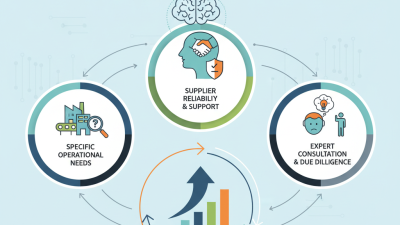
Choosing an automated production system in China starts with the product, not the machine catalog. A high-volume line may suit identical metal housings, while a flexible cell fits varied assemblies. I have seen projects fail because engineers measured output but ignored changeover time. That mistake is expensive. Define daily volume, product tolerance, labor availability, floor space, and expected product changes before requesting quotations. A simple process map often reveals manual bottlenecks more clearly than a polished demonstration.
For repetitive work, compare cycle time, uptime, feeding accuracy, and inspection coverage. Ask suppliers to run your real parts, not showroom samples. Record results across several shifts. For mixed models, prioritize quick tooling changes, recipe control, and accessible programming. A ten-minute changeover can matter more than a faster robot. Integration also deserves scrutiny: conveyors, vision inspection, safety guarding, traceability, and maintenance access must work as one system. Request electrical drawings, spare-parts lists, training plans, and acceptance criteria in writing. Reliable documentation reflects engineering discipline.
Budget decisions should include installation, calibration, software updates, energy use, and unplanned downtime. A cheaper quotation can become costly when support is weak or sensors are difficult to replace. Check response times, technician coverage, and remote diagnostic options. Still, no selection process is perfect. Forecasts change, operators need more training, and the first layout may waste space. Pilot one production cell and measure defects, downtime, ergonomic strain, and actual labor savings before expanding. Practical evidence should outweigh confident promises.