2026 Best Food Processing Technology for Global Buyers
In 2026, global food buyers will evaluate more than machine speed or attractive automation claims. They will examine food processing technology through measurable performance, product safety, energy use, maintenance needs, and local service support. A reliable line must handle real conditions, including humid factories, unstable power, limited water, and changing raw material quality. That is where brochures often become less convincing.
Professor R. Paul Singh, a respected food engineering scholar, stated, “Food engineering is the application of engineering principles to food processing.” His view remains highly relevant for modern purchasing decisions. The best technology connects thermal control, hygienic design, process monitoring, packaging accuracy, and practical operator training. It should also reduce waste without creating difficult maintenance problems. Small details matter. A poorly sealed pipe can stop production. An unclear touchscreen can slow an entire shift.
This guide examines leading food processing technology for global buyers in 2026. It considers continuous systems, intelligent sensors, cold-chain equipment, high-pressure processing, drying solutions, and flexible packaging lines. Each option has strengths and limitations. None is perfect. A premium machine may still fail when spare parts arrive slowly. A lower-cost system may deliver better value in a suitable market.
Buyers should compare total ownership cost, verified output, food safety records, and supplier responsiveness. They should request factory trials before signing major contracts. Technology must fit the product, workforce, climate, and business plan. That judgment takes experience. It also requires honest reflection, because the newest solution is not always the wisest one.
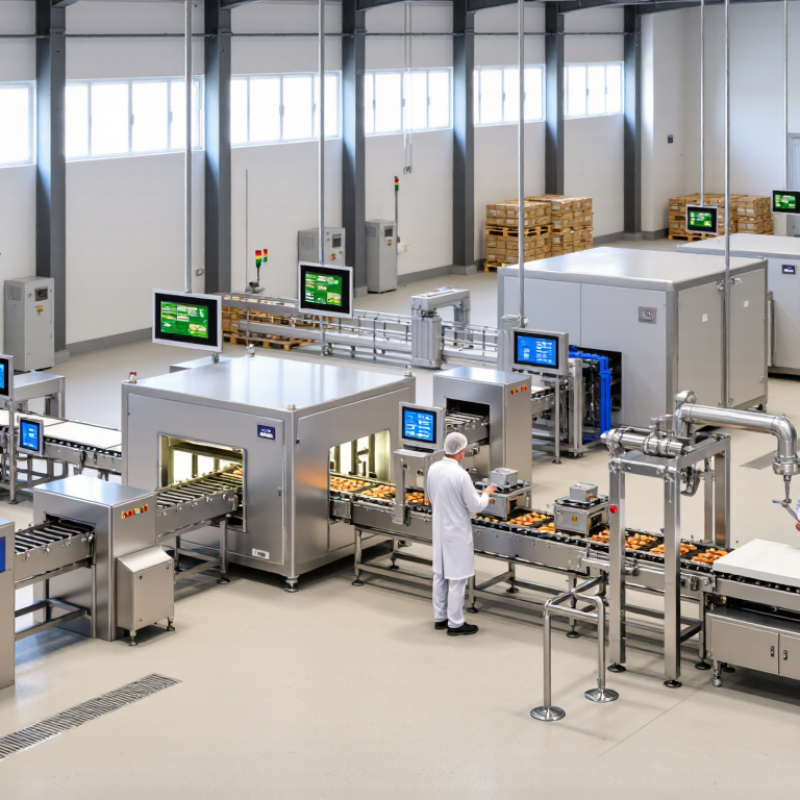
Food Processing Technology: Definition, Scope, and Global Market Role
Food processing technology covers the equipment, software, and methods that turn raw ingredients into safe, consistent products.
Its scope includes sorting, washing, cutting, thermal treatment, drying, freezing, fermentation, packaging, inspection, and factory automation. For global buyers in 2026, the technology choice is not only about production speed. It also affects hygiene, energy use, traceability, shelf life, and workforce requirements.
The FAO’s State of Food and Agriculture report estimates that 14% of food is lost between harvest and retail.
The UNEP Food Waste Index 2024 reports that households, food services, and retail generated about 1.05 billion tonnes of food waste in 2022. Better processing can reduce these losses through accurate portioning, controlled temperatures, and stronger packaging systems.
Small details matter.
A stable cooling cycle can protect texture. A digital sensor can detect a hygiene risk earlier.
Market forecasts vary, and that deserves caution.
One 2024 industry report estimates the global food processing equipment market will grow from roughly USD 58 billion to nearly USD 79 billion by 2029.
Forecasts are not guarantees. Local power reliability, water access, maintenance skills, and import rules can change the investment result. A high-speed line may look efficient, yet it can fail when spare parts arrive late.
Buyers should compare verified operating data, sanitation records, energy consumption, and total ownership cost. The best technology is often the system that workers can maintain correctly every day.
Key Processing Methods and Their Industrial Applications
In 2026, food processors need methods that protect safety, quality, and operating margins. The FAO reports that 13.2% of food is lost between harvest and retail. Better processing can reduce this loss, especially in regions lacking reliable cold storage.
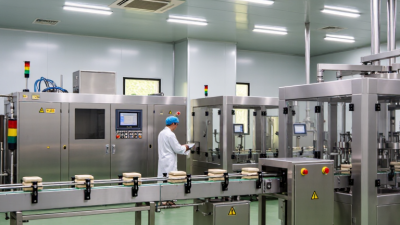
Thermal processing remains practical for soups, sauces, dairy products, and shelf-stable meals. Retorts use controlled heat and pressure to destroy harmful microorganisms. Aseptic processing separates sterilized food from sterilized packaging. It suits liquid products, including milk alternatives and fruit beverages. Freezing preserves texture more gently, but it demands stable electricity and strict temperature monitoring. Small temperature rises can damage frozen vegetables.
It needs discipline.
High-pressure processing uses water pressure rather than intense heat. It can preserve chilled juices, ready-to-eat foods, and some meat products while maintaining fresh characteristics. Dehydration supports spices, fruits, protein ingredients, and emergency food supplies. The UNEP Food Waste Index Report 2024 estimated 1.05 billion tonnes of food waste in 2022. Processing cannot solve waste alone, yet accurate slicing, drying, and portion control can reduce avoidable losses. Codex food hygiene principles also require validated controls, traceability, and hygienic equipment design. In practice, the best method depends on product acidity, water activity, packaging, energy access, and local skills. Choosing advanced equipment too quickly can create maintenance problems. That weakness deserves honest attention.
Smart Automation, Robotics, and Digital Process Control
2026 Best Food Processing Technology for Global Buyers
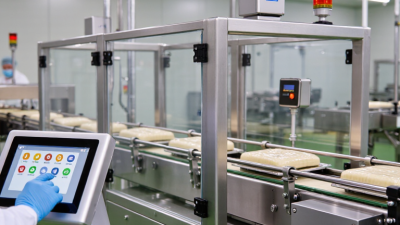
In 2026, food processors are moving beyond isolated machines toward connected production cells. Smart automation links weighing, filling, sealing, and inspection through shared data. Sensors can detect temperature drift, motor vibration, and inconsistent product flow before defects multiply. Digital process control then adjusts approved parameters with less operator delay. In a chilled meal line, this may mean steadier portions and fewer manual checks. However, automation is not automatically intelligent. Poorly calibrated sensors still create confident errors. That lesson deserves attention.
Robotics adds flexibility where hygiene, repetition, or heavy lifting challenge workers. Vision-guided robots can place products, sort packages, and identify damaged seals at high speed. For global buyers, successful deployment also requires clear documentation, service access, and compatibility with local safety requirements. Engineers should map changeover time, cleaning access, emergency stops, and data ownership before installation. Operators need training that explains alarms, not just button sequences. From practical production experience, small pilot cells often reveal issues hidden in purchase proposals. A robot may perform perfectly during testing, then struggle with wet surfaces or variable package sizes. This is normal, but it must be measured, documented, and corrected. Reliable systems combine human judgment with traceable digital records.
Tips: Start with one measurable bottleneck. Define acceptable limits for temperature, weight, speed, and downtime. Review sensor data daily during the pilot. Keep manual checks until results remain stable. Do not automate a broken process. Reconsider assumptions after every shift.
Sustainable Equipment, Energy Efficiency, and Waste Reduction
2026 Best Food Processing Technology for Global Buyers
Sustainable Equipment, Energy Efficiency, and Waste Reduction
Modern processing lines must protect food quality while reducing energy, water, and material losses. Buyers should examine measurable performance, not attractive sustainability claims. Practical audits show that insulation, variable-speed drives, and heat recovery can lower routine consumption. Recovered heat from ovens can preheat wash water or incoming air. Smart meters reveal peaks that monthly utility bills hide. Small changes matter. However, efficiency depends on correct sizing, operator training, and steady maintenance. A highly efficient machine still wastes energy when it runs half-empty.
Food waste reduction begins with gentle, accurate handling. Precise cutting, filling, and portion control reduce rejected products. Closed-loop water systems can filter process water for approved secondary uses, where local rules permit. Dry cleaning methods may reduce wastewater before wet sanitation starts. Equipment should support easy inspection, tool-free access, and hygienic drainage. These details save materials and labor. Yet waste targets should include packaging, cleaning chemicals, and spoiled inventory. Measuring only production scrap gives an incomplete picture.
For global buyers, documentation is part of sustainability.
Request energy data, water-use figures, noise information, service intervals, and tested capacity. Ask how performance changes with different recipes, climates, and production shifts. Independent testing and clear records strengthen purchasing decisions. Do not accept vague promises. Demand evidence. Verification against recognized food-safety and environmental requirements also improves supply-chain reliability. Still, no factory reaches perfect efficiency. Maintenance delays, seasonal demand, and human error remain real pressures. A realistic plan allows adjustment after installation, using verified readings rather than assumptions.
Global Buyer Criteria: Safety, Compliance, Cost, and Supplier Selection
For global buyers, food-processing technology is not defined by speed alone. Safety evidence comes first. The World Health Organization estimates that contaminated food causes 600 million illnesses and 420,000 deaths annually. That figure changes the factory visit. Inspect hygienic design, allergen controls, traceability, and cleaning validation. Ask for documented hazard analysis, not attractive stainless steel.
Compliance must survive borders. A supplier should map equipment functions to Codex principles, HACCP plans, and applicable national rules. ISO 22000 certification can support evaluation, but certification never replaces daily verification. Request recent audit findings, calibration records, water-test results, and corrective-action closure rates. Keep the evidence searchable. The FAO State of Food and Agriculture 2019 report estimates that 14% of food is lost between harvest and retail. Stable conveyors, accurate temperature control, and gentle handling may reduce waste better than maximum line speed.
Cost should include ownership. Compare energy use, sanitation time, spare-part availability, training hours, and downtime. A low purchase price can become expensive after one failed sensor or delayed seal. Require a three-year total-cost model with visible assumptions. Supplier selection needs uncomfortable questions: Who responds at 2 a.m.? Can local technicians repair the control panel? What happens when output changes? My practical warning is simple: a perfect factory acceptance test proves little about humid, tired production shifts. Buy performance evidence over time. Not glamorous, but decisive.