Top 10 Processing Line Automation Solutions?
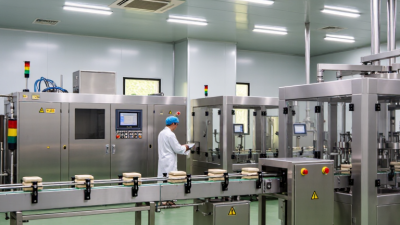
Modern processing line automation is reshaping how factories move, inspect, and package products. Sensors watch temperature, pressure, speed, and product position in real time. Robotic arms repeat precise movements beside workers. Vision systems can identify a damaged seal before the carton reaches the pallet.
Yet automation is not simply a race toward more machines. W. Edwards Deming, a respected quality-management expert, is widely credited with saying, “Automation applied to an inefficient operation will magnify the inefficiency.” That warning remains practical. A poorly designed conveyor may only move mistakes faster. A badly calibrated sensor may reject acceptable products and quietly increase waste.
The Top 10 Processing Line Automation Solutions explores technologies that support measurable improvements. These include programmable logic controllers, robotic picking, automated inspection, digital twins, predictive maintenance, and manufacturing execution systems. Each solution should connect to a clear production problem. Faster output means little if downtime, recalls, or operator confusion increase.
Look closely at the details. A jammed guide rail, a delayed alarm, or an unclean camera lens can undermine an expensive system. Small failures matter.
Experience matters too. Engineers must test equipment under real loads, not only during demonstrations. Operators should help shape the interface because they notice practical problems first. We also need to admit that automation is never perfect. It can reduce repetitive work, but it cannot replace thoughtful process design. The strongest solutions balance speed, safety, quality, maintenance access, and human judgment.
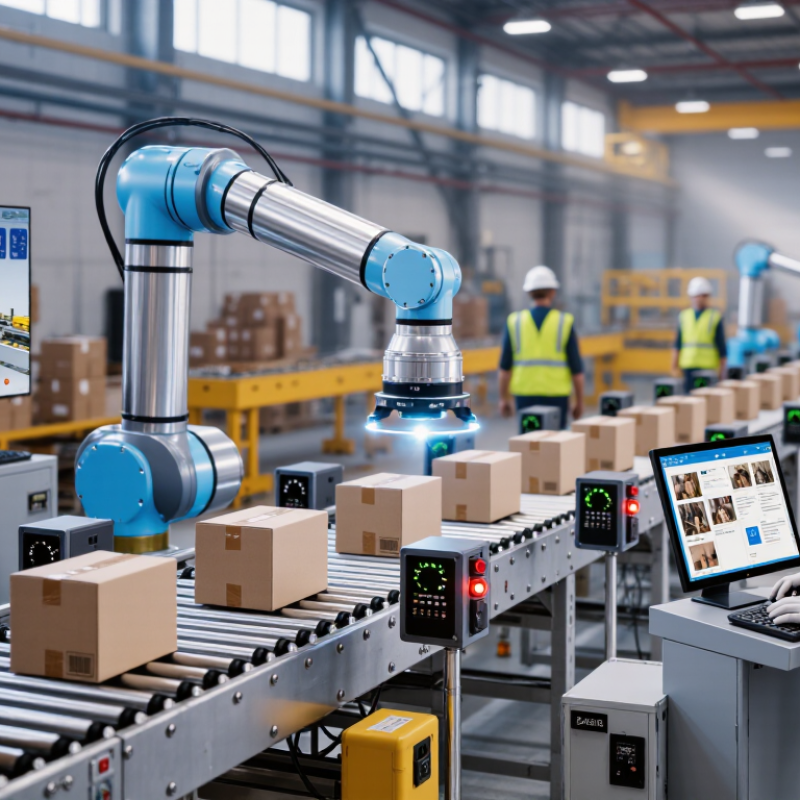
Understanding Processing Line Automation and Its Core Components
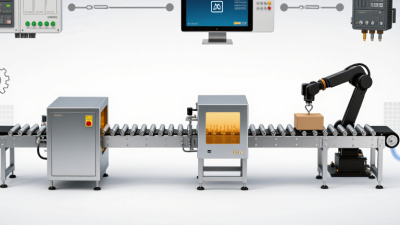
Processing line automation connects machines, materials, people, and production data into one controlled workflow. Its core components usually include sensors, programmable logic controllers, drives, conveyors, robotic handling, machine vision, and safety systems. Supervisory control and data acquisition platforms monitor alarms, temperatures, speeds, and stoppages. Manufacturing execution systems then connect shop-floor activity with scheduling, quality records, and traceability.
The International Federation of Robotics reported 162 industrial robots per 10,000 manufacturing employees worldwide in 2023. That figure signals wider automation adoption, but robots alone do not create an efficient line. A poorly calibrated sensor can stop a conveyor. Weak data mapping can hide the real cause of downtime. Integration matters more than isolated equipment.
Reliable projects begin with process observation. Engineers measure cycle time, changeover losses, rejected units, and manual handling risks before selecting solutions. Vision inspection can identify missing parts, while load cells verify weight and pressure sensors protect filling operations. Networked controllers support faster adjustments, but cybersecurity and backup procedures must also be designed. The U.S. Department of Energy’s Smart Manufacturing reports emphasize connected data, interoperability, and real-time decision-making as foundations for industrial improvement. Still, every factory has exceptions. Standard templates can fail on dusty floors, variable materials, or irregular product shapes. Human review remains necessary. Automation should reduce uncertainty, not merely move it elsewhere.
Criteria for Evaluating the Top 10 Automation Solutions
Top 10 Processing Line Automation Solutions: Criteria for Evaluating the Top 10 Automation Solutions
A credible evaluation starts with measurable production needs, not impressive demonstrations. The International Federation of Robotics reported 541,302 industrial robots were installed worldwide in 2023. This growth makes integration quality more important than novelty. Evaluate throughput, cycle-time stability, changeover speed, and total equipment effectiveness using ISO 22400-aligned metrics. A fast line is not useful when small faults stop production.
Data must travel.
The strongest solutions connect sensors, controllers, quality systems, and maintenance records without creating isolated information. Check protocol compatibility, data ownership, audit trails, and cybersecurity controls. The National Institute of Standards and Technology recommends risk-based industrial cybersecurity practices, including asset identification and controlled access. Operators should also test emergency stops, guarding, ergonomics, and safe recovery after faults. Safety cannot be treated as a software feature.
Cost calculations need more honesty. Include installation, training, spare parts, energy use, calibration, and planned downtime. The U.S. Department of Energy notes that motor-driven systems can represent a major share of industrial electricity consumption, so efficiency deserves a visible score. Pilot testing should measure reject rates, mean time to repair, and actual changeover minutes. A scoring table can still mislead if weights are chosen to favor a preferred solution. I would reassess those weights after observing one full production cycle, including failures, manual interventions, and operator feedback.
Top 10 Processing Line Automation Solutions
Weighted evaluation based on integration capability (25%), scalability (20%), reliability (20%), operational efficiency (20%), and implementation complexity (15%). Scores are non-brand benchmark indexes on a 0–100 scale.
Higher scores indicate a stronger overall fit for modern processing lines. The evaluation favors solutions that improve throughput, support data integration, scale across production areas, and maintain reliable operation with manageable implementation effort.
How to Select and Integrate an Automation Solution
Selecting and Integrating an Automation Solution
Selecting an automation solution begins with the product, not the sales brochure. Record each processing step, including filling, sealing, inspection, and pallet handling. Note speed, product variation, cleaning routines, and changeover time. A line running 120 units per minute may still lose hours during manual adjustments. Measure the real baseline.
Walk the production floor with operators and maintenance technicians. Their experience often reveals jam points that reports miss. Check equipment compatibility, available floor space, electrical capacity, and data connections. Safety functions must match current regulations and site procedures. Reliable suppliers should provide testing records, training plans, spare-parts guidance, and clear service responsibilities.
Integration needs a staged plan. Begin with a small trial using actual materials and normal operating conditions. Test sensors, reject systems, alarms, and emergency stops before expanding the line. Keep critical manual controls available during commissioning. I once underestimated the effect of a minor container change; the conveyor timing needed several adjustments. That mistake was avoidable. Build time for tuning, operator feedback, and repeat testing.
Use measurable acceptance criteria, such as output rate, defect limits, cleaning time, and recovery after a stoppage. Connect production data only when its purpose is clear and access is controlled. A dashboard can expose problems, but it cannot repair poor process design. Review performance after several weeks, when real workloads replace ideal demonstrations.
Operational, Safety, and Maintenance Considerations
Top 10 Processing Line Automation Solutions: Operational, Safety, and Maintenance Considerations
Processing automation should improve flow without hiding operational risks. Useful solutions include smart sensors, programmable controllers, machine vision, robotic handling, automated inspection, digital traceability, condition monitoring, safety interlocks, energy monitoring, and predictive maintenance.
The International Federation of Robotics reported 541,302 industrial robots were installed worldwide in 2023. That growth increases productivity, but it also raises training demands. Operators need clear lockout procedures, guarded access points, and visible emergency stops. Safety systems should be tested during real production, not only during commissioning. Small gaps matter. A sensor placed too far from a pinch point may detect failure too late. The U.S. Bureau of Labor Statistics reported a 2023 nonfatal injury and illness rate of 3.5 cases per 100 full-time workers in manufacturing. Automation reduces exposure, but it does not remove human risk.
Maintenance planning determines whether automation creates value or downtime. Vibration sensors can reveal bearing wear before a conveyor stops. Thermal checks can expose loose electrical connections. Maintenance teams should connect alarms to work orders, spare-part records, and technician notes. The Deloitte 2024 Smart Manufacturing and Operations Survey found that 86% of manufacturers view smart manufacturing as important for competitiveness within five years. However, data quality remains a practical weakness. We sometimes install more sensors than teams can interpret. A smaller, well-maintained system may outperform a complex one. Review alarm history monthly, verify safety devices quarterly, and question every unplanned stop.