What Is Industrial Processing Equipment?
Industrial processing equipment is the machinery that transforms raw materials into usable products. It operates inside factories, plants, workshops, and large production facilities. Examples include mixers, pumps, conveyors, heat exchangers, dryers, filtration systems, and industrial ovens. Each machine performs a defined task, but successful processing depends on how these systems work together.
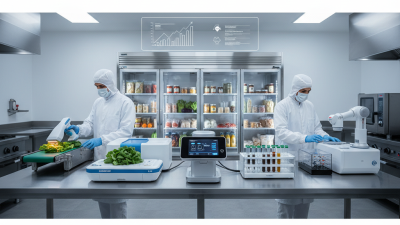
W. Edwards Deming, an influential manufacturing and quality expert, stated, “Quality comes not from inspection, but from the improvement of the production process.” This principle remains highly relevant to industrial processing equipment. A well-designed system should deliver consistent output, control temperature, reduce material waste, and support safe maintenance. For example, a food-processing line may use stainless-steel tanks, precise dosing pumps, and sensors that detect temperature changes within seconds. Small errors can affect an entire production batch.
The equipment is not simply about power or speed. It must match the material, production volume, operating environment, and maintenance capability. A chemical pump may require corrosion-resistant alloys, while a grain conveyor may need dust-control features. Choosing equipment only by purchase price can create expensive downtime later. That mistake is common.
No machine is perfect. Even advanced equipment can suffer from vibration, worn seals, blocked filters, or inaccurate sensors. Therefore, understanding industrial processing equipment requires practical experience, technical judgment, and continuous review. The most reliable systems combine suitable design, trained operators, documented inspections, and realistic performance expectations. In the following sections, this guide explains the main equipment categories, their functions, and the factors that influence responsible selection.
Definition and Purpose of Industrial Processing Equipment
What Is Industrial Processing Equipment?
Industrial processing equipment refers to machines and integrated systems that transform materials into usable products. These systems may heat, mix, grind, filter, separate, compress, convey, or package materials. They also include sensors, control panels, pumps, valves, and safety devices.
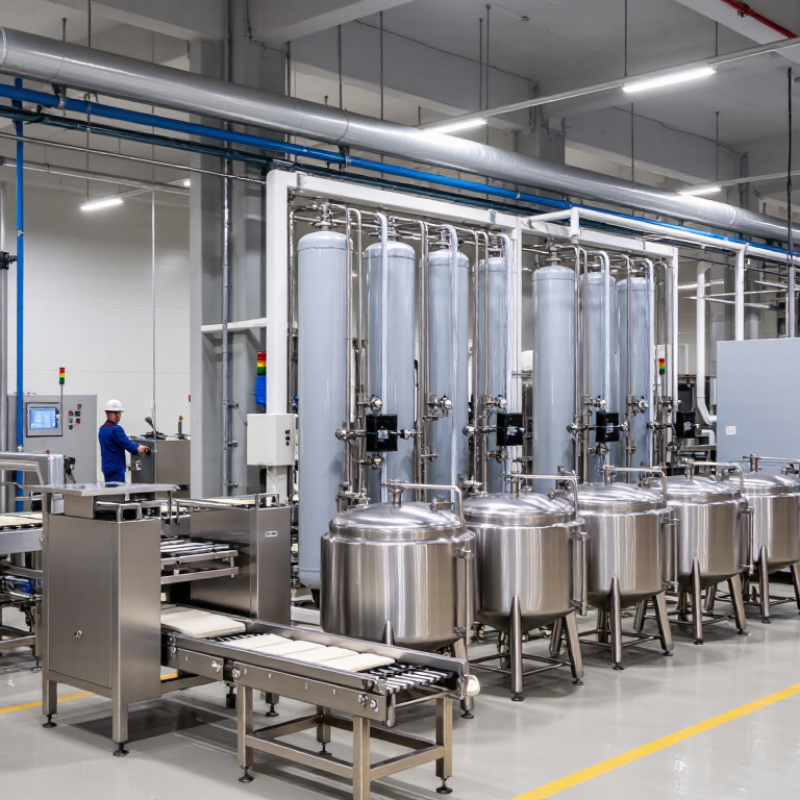
The purpose is broader than production speed. Equipment must deliver stable quality, repeatable output, and controlled operating conditions. In a food plant, stainless-steel tanks may maintain a precise temperature while agitators prevent uneven mixing. In a chemical facility, filtration units remove unwanted particles before the next stage. The International Energy Agency reports that industry uses nearly 40% of global final energy. This makes efficient motors, heat exchangers, and compressed-air systems important design choices. Small losses can become expensive across continuous operations.
Industrial equipment also supports worker protection and process reliability. The U.S. Department of Energy identifies motor-driven systems as major industrial electricity users, especially pumps, fans, and compressors. Proper sizing can reduce wasted power and maintenance interruptions. However, equipment selection is not always straightforward. A machine may meet its rated capacity but perform poorly with changing feed materials, humidity, or temperature. That detail is easy to overlook. The UNIDO Industrial Development Report emphasizes that productivity increasingly depends on efficient, technology-supported manufacturing systems. In practice, operators still need regular inspection, calibration, cleaning, and honest performance records. A specification can look complete and still miss real operating conditions.
Main Types of Industrial Processing Equipment
What Is Industrial Processing Equipment?
Main Types of Industrial Processing Equipment
Industrial processing equipment transforms raw materials into consistent, usable products. It appears in food, chemical, pharmaceutical, mineral, and manufacturing facilities. Each machine must match the material, production target, workplace conditions, and required quality controls.
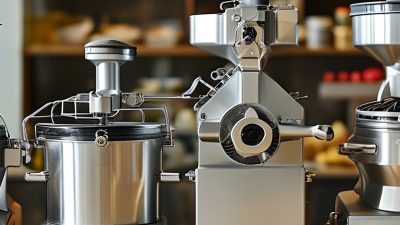
Size-reduction equipment includes crushers, mills, and grinders. These machines reduce solids into smaller, manageable particles. Mixing equipment combines powders, liquids, or viscous materials. Proper blade design helps prevent dry pockets and uneven textures. Separation equipment uses screens, filters, centrifuges, or magnetic systems. These units remove unwanted particles and improve material purity.
Thermal processing equipment includes heaters, dryers, ovens, and heat exchangers. Operators monitor temperature, residence time, and moisture levels closely. Small changes can affect product quality. Conveyors, pumps, and feeders move materials between processing stages. Their design should limit spills, blockages, and unnecessary handling. Filling and packaging equipment measures products and prepares them for storage or distribution.
Control and monitoring systems support safer, more reliable production. Sensors can track pressure, flow, temperature, weight, and vibration. Maintenance teams should inspect seals, bearings, guards, and emergency controls regularly. A machine may appear efficient on paper, yet perform poorly with sticky materials or frequent changeovers. That limitation deserves attention. Equipment selection also requires documented testing, operator training, sanitation planning, and compliance with applicable safety standards. Real production conditions often expose weaknesses that a factory demonstration misses.
What Is Industrial Processing Equipment? - Main Types of Industrial Processing Equipment
Industrial processing equipment is used to transform, separate, heat, cool, move, or dry materials during manufacturing. The chart shows representative upper operating temperatures commonly associated with major equipment types. Actual limits vary by material, pressure, construction, and process design.
Temperature values are representative engineering ranges shown for comparison, not universal equipment specifications.
Key Components and Operating Principles
What Is Industrial Processing Equipment?
Key Components and Operating Principles
Industrial processing equipment transforms raw materials into controlled, usable products. Common systems include pumps, compressors, heat exchangers, reactors, conveyors, filters, and control panels. Each component has a defined duty. A pump moves fluid, while a heat exchanger transfers thermal energy between separate streams. The process only works when these parts cooperate.
The operating principle begins with measurement. Sensors track temperature, pressure, flow, level, and vibration. A programmable controller compares these readings with setpoints. It then adjusts valves, motors, heaters, or dosing systems. Process heating deserves close attention. The U.S. Department of Energy’s Industrial Decarbonization Roadmap reports that it represents about 51% of manufacturing energy use. Poor insulation or unstable combustion can therefore create significant losses.
Mechanical integrity matters just as much as automation. A misaligned coupling may increase vibration and shorten bearing life. A blocked filter can raise pressure drop within minutes. The International Energy Agency reports that motor-driven systems account for roughly half of global electricity consumption. Efficient motors help, but correct sizing matters more than many specifications suggest. Oversized equipment often cycles badly. Smaller equipment can fail under peak demand. Real facilities rarely behave like diagrams. Dust, operator habits, changing feedstock, and imperfect maintenance alter performance. Engineers should verify actual operating data before redesigning a system. Even reliable calculations need field checks.
Industrial Applications Across Major Sectors
What Is Industrial Processing Equipment?
Industrial Applications Across Major Sectors
Industrial processing equipment transforms raw materials into usable products at controlled speed, quality, and scale. It includes mixers, conveyors, pumps, dryers, filters, heat exchangers, and automated control systems. Each machine must match the material, temperature, pressure, and production target.
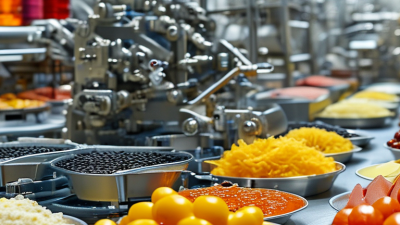
In food processing, stainless-steel vessels mix ingredients while sensors monitor temperature and flow. Beverage facilities use filtration, filling, and cleaning systems to protect product consistency. Pharmaceutical plants require precise dosing, enclosed transfer, and documented sanitation. Small measurement errors can affect an entire batch.
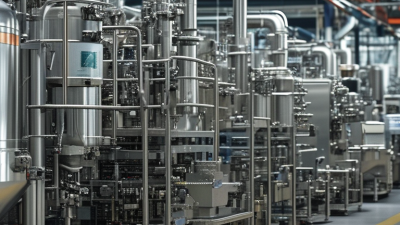
Energy and chemical facilities depend on pressure vessels, separation units, compressors, and cooling equipment. Water-treatment plants use screens, clarifiers, membranes, and dosing systems. Construction-material manufacturers process cement, aggregates, glass, and metals through crushers, kilns, furnaces, and conveyors. These environments demand strong materials and careful maintenance.
Tips: Define the process before choosing equipment. Check capacity, cleaning access, energy use, and operator safety. Leave space for inspection and repairs. A machine that fits today may restrict tomorrow’s output. In practice, no production line runs perfectly. Dust builds up, seals wear, and sensors drift. Regular inspections, clear operating records, and trained technicians reduce unexpected downtime. Equipment selection should also consider noise, waste, emissions, and local safety requirements. Experience shows that cheaper installation can create higher maintenance costs later. That trade-off deserves honest review.