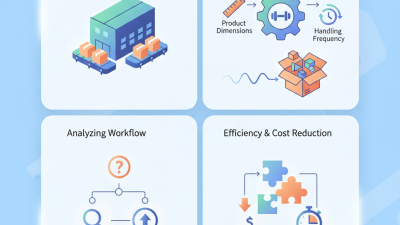
Why choose industrial robotics integration for your factory? The answer reaches beyond purchasing robotic arms. It concerns how machines, people, software, and production goals work together. A robot beside an unplanned conveyor may create movement, but not meaningful improvement. Integration connects robots with vision systems, programmable logic controllers, safety devices, material handling, and manufacturing software. It also aligns these tools with measurable targets, such as cycle time, first-pass yield, labor safety, and changeover performance.
Industry data shows why this decision deserves attention. The International Federation of Robotics reported 541,302 industrial robots installed worldwide in 2023, with more than 4.2 million robots operating globally. This expanding installed base reflects practical adoption across automotive, electronics, food, logistics, and general manufacturing. Deloitte’s 2024 Smart Manufacturing and Operations Survey also found that many manufacturing leaders view smart manufacturing as a major future competitiveness driver. The direction is clear.
But adoption alone is not success. The business case is rarely perfect. A poorly integrated robot can stop production when a sensor fails, a gripper wears, or product dimensions change. Experienced integrators test these details before full deployment. They study operator movement, floor space, maintenance access, safety guarding, and data quality. They may begin with one repetitive workstation, measure results, then scale carefully. That approach reduces disruption and exposes weaknesses early. It also respects the people who will operate and maintain the system. Industrial robotics integration is therefore a structured engineering decision, not a shortcut. When planned with evidence, practical experience, and continuous review, it can make factory performance more consistent, safer, and easier to improve.
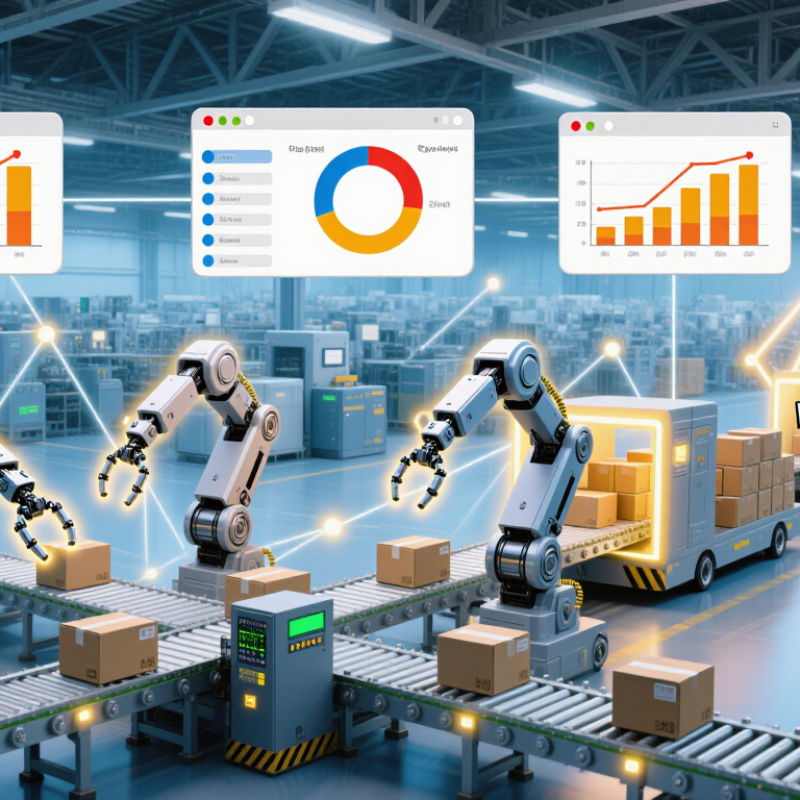
Industrial robotics integration connects robots with conveyors, sensors, vision systems, safety controls, and production software. It is more than installing a robotic arm. Engineers study cycle times, material flow, operator movement, and maintenance access before designing the cell.
The International Federation of Robotics reported 541,302 industrial robot installations worldwide in 2023. Its World Robotics 2024 report also recorded more than 4.28 million robots operating globally. These figures show growing adoption, but they do not guarantee better production.
Integration must match the task. A food-packaging cell needs different tooling, hygiene controls, and inspection logic than a metalworking cell.
The details matter.
On a real factory floor, integration includes programming, risk assessment, worker training, and performance testing. Engineers may connect barcode readers to production records, while technicians adjust grippers around changing product sizes. Small delays compound.
The World Economic Forum’s Future of Jobs Report 2023 found that 44% of workers’ skills may be disrupted by technological change. That makes training part of the investment, not an optional extra.
Operators should understand recovery steps, fault messages, and safe restart procedures. Early designs are often imperfect. Cable routing, lighting, or handoff timing may need revision after live trials.
Careful monitoring of rejects, downtime, and maintenance hours reveals whether the system actually improves factory operations.
Industrial robotics integration connects machines with the factory’s existing workflow. A robot rarely works alone. Engineers link it with conveyors, programmable controllers, vision cameras, safety sensors, and manufacturing software. The goal is a coordinated process, not simply a faster arm.
The International Federation of Robotics reported 541,302 industrial robot installations worldwide in 2023. It also recorded about 4.28 million robots operating globally. These figures show strong adoption, but installation numbers do not guarantee productivity. A poorly designed cell may move quickly while creating bottlenecks downstream.
A practical integration project begins with process mapping. Engineers measure cycle time, part variation, operator movement, and changeover delays. Then they define how the robot receives parts, confirms position, performs its task, and reports results. For example, a vision system can locate unevenly placed components before a gripper picks them. The controller can pause production when torque exceeds a safe limit.
The workflow must also include people. Operators need clear recovery steps, accessible controls, and useful training. Maintenance teams require diagnostic data, spare-part planning, and safe access procedures. These details often decide whether automation succeeds.
The imperfect part is integration itself. Existing equipment may use outdated communication protocols. Floor space may be limited. Production data may be incomplete. A robot can repeat a poor process perfectly. Careful testing, staged commissioning, and regular review help expose those weaknesses before they become expensive habits.
Why Choose Industrial Robotics Integration for Your Factory?
Key Components of an Industrial Robotics Integration System
An industrial robotics integration system combines machines, software, sensors, and safety controls into one coordinated process. The robot is only one part. A suitable end effector must grip, weld, pick, or assemble each product reliably. Its design depends on product weight, surface texture, and production speed.
The controller manages movement and task sequences. Sensors confirm part position, tool status, and operating conditions. Vision systems can locate unevenly placed components, while conveyors and fixtures maintain a steady workflow. A programmable logic controller connects these devices with doors, alarms, and emergency stops. This connection must be tested under realistic factory conditions, not only during a clean demonstration.
Safety fencing, light curtains, and access monitoring protect operators near moving equipment. Communication with production software can record cycle times, faults, and maintenance needs. In practice, cable routing and fixture alignment often cause unexpected delays. A small blind spot can create repeated placement errors. Integration is rarely perfect on the first shift. Technicians should observe several production cycles, adjust motion paths, and document every change. Maintenance teams also need clear manuals and practical training. Otherwise, a sophisticated cell may become difficult to operate when a sensor fails.
This reference architecture shows the typical equipment count in a single automated robotic palletizing cell. The robot, end-of-arm tooling, material handling equipment, control system, machine vision, and safety devices work together to create a coordinated and production-ready integration system. Actual quantities depend on the process, layout, payload, and safety assessment.
Factory robot integration connects robots with conveyors, vision systems, controllers, safety equipment, and production software. This creates a coordinated work cell, rather than an isolated machine. The International Federation of Robotics reported 541,302 industrial robot installations worldwide in 2023. Its 2024 report also recorded more than 4.28 million robots operating globally. These figures reflect growing confidence in automated production.
The business benefits are measurable when integration matches real factory needs. Robots can maintain repeatable cycle times, reduce lifting injuries, and support consistent quality during long shifts. Connected production data can reveal stoppages, slow changeovers, and recurring defects. Deloitte’s 2024 Smart Manufacturing and Operations Survey found that 86% of manufacturing leaders viewed smart manufacturing as a major competitiveness driver within three years. Integration also improves workforce value. Operators can focus on setup, inspection, troubleshooting, and process improvement.
A poorly planned cell may simply automate a bottleneck. Integration can expose weak layouts, unstable material flow, or incomplete maintenance routines. The first production week may feel slower, especially when staff are learning new procedures. That discomfort deserves attention, not concealment. Practical projects should begin with a measured baseline, including cycle time, downtime, scrap, energy use, and safety observations. Independent validation, documented acceptance tests, and worker feedback strengthen reliability. The best results usually come from phased deployment, clear training, and regular review of data after commissioning.
Choosing an industrial robotics integration partner requires more than comparing equipment prices. According to the International Federation of Robotics’ World Robotics 2024 report, 541,302 industrial robots were installed worldwide in 2023. This growth increases integration demand, but every factory remains different. A capable partner should study your cycle times, product variation, floor space, maintenance skills, and production targets before proposing hardware.
Ask for evidence from similar applications. The partner should provide documented risk assessments, acceptance criteria, and realistic performance data. Safety design must align with standards such as ISO 10218 and ISO/TS 15066. Request details about guarding, emergency stops, collaborative operation, and recovery procedures.
Deloitte’s smart manufacturing research has reported production improvements of up to 20% in some implementations, but those gains depend heavily on process discipline and data quality. Promises without baseline measurements deserve caution.
Technical skill is only part of the evaluation. Check how the team trains operators, supports spare parts, and handles software changes. A factory can lose valuable hours because one sensor cable lacks a replacement. Small details matter. Review response times, documentation quality, cybersecurity controls, and integration with existing control systems. Do not ignore uncomfortable questions about downtime or future expansion. A perfect specification rarely exists, and early assumptions may prove wrong. The strongest partner admits uncertainty, tests critical steps, and improves the design before commissioning.